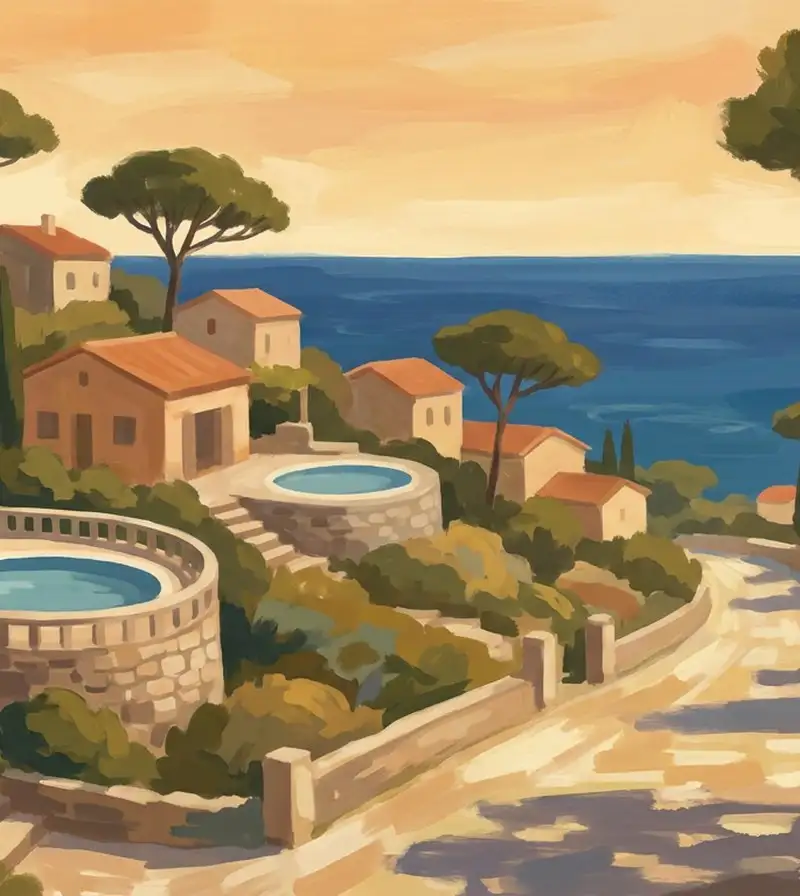
Urbanitzacions de Llevant
€2,857/m²Asking price, August 2026200.000 - 460.000 €Implied for a 70 to 160 m² homeThe coastal strip east of the city, detached houses and urbanisations set above the beaches and coves towards La Mora.
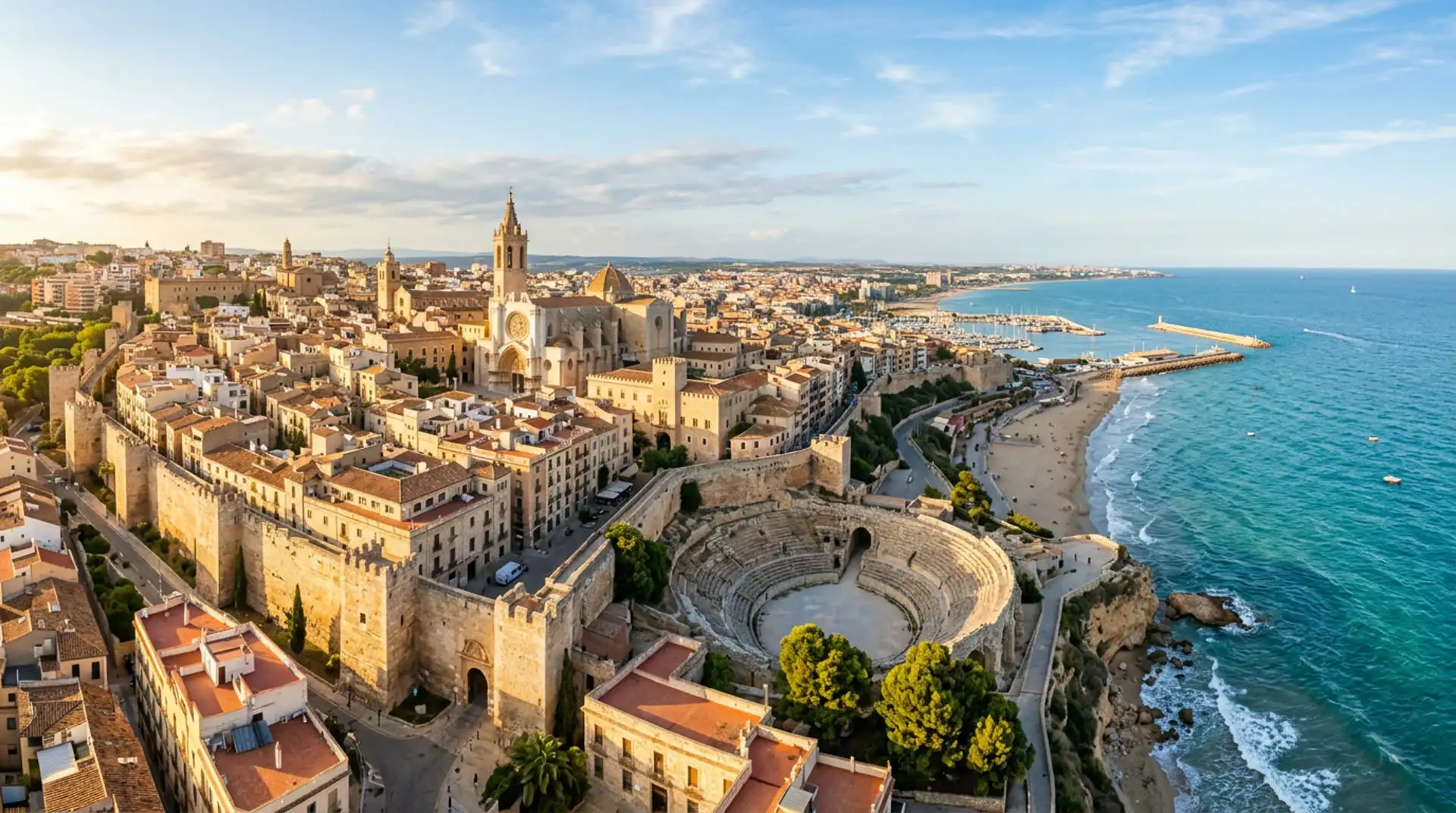
Tarragona is a Catalan port city that has been a capital before, and it shows. The Romans made Tarraco the capital of their largest Spanish province, and what they left is not a ruin on the edge of town but the structure of the place: walls the old town still sits inside, a circus under the streets, and an amphitheatre cut into the slope directly above the sea.
The old town, the Part Alta, occupies the high ground, and from the Balcó del Mediterrani at its edge the city drops to the beaches and the port. El Miracle lies immediately below the amphitheatre, and the coast continues north through Arrabassada and La Mora to the low cliffs. Rambla Nova runs inland from the balcony as the city's main axis, and the newer districts spread west towards the industrial belt and the refineries that provide much of the region's work.
What you get is a real city on the Mediterranean at a price Barcelona cannot approach, with trains running up the coast between them. What you accept is a working port and petrochemical economy on the doorstep, an old town that is lively at night, and beaches that fill in August with visitors from the resorts along the coast.
The verdict
The upside is real. So is the downside. Both matter more than any brochure will admit.
A Roman capital you live inside
The walls, the circus and the amphitheatre are part of the street plan rather than a site you visit, and the ensemble is UNESCO listed.
Beaches below the old town
El Miracle sits at the foot of the amphitheatre, with Arrabassada and the northern beaches a short ride along the coast.
Barcelona without Barcelona prices
Trains run up the coast to the city from Tarragona's own station, at a fraction of the cost per square metre.
A working city, not a resort
The port, the university and the industrial belt give Tarragona a year-round economy independent of tourism.
Festival culture with deep roots
Santa Tecla in September fills the old town with human towers, giants and processions, and the castells tradition is a Catalan inheritance rather than a show.
The industry is close
The petrochemical complex sits immediately west of the city, which shapes both the job market and the western approach.
The old town is loud at night
The Part Alta is where the bars are, so a flat inside the walls is a different proposition at two in the morning.
Beaches fill in August
The city beaches take visitors from the resorts along the coast as well as residents.
The high-speed station is outside the city
Camp de Tarragona, the station that serves the area, is in another municipality, so high-speed trains do not call in Tarragona itself.
The market has not recovered its old highs
Asking prices across the city are still below the level they reached before 2010, unlike most of the Mediterranean coast.
Editor's note
Tarragona suits buyers who want a Mediterranean city with real history and a working economy, at a price the Catalan coast rarely offers. Barcelona is the obvious comparison and costs several times more per square metre. Girona is the inland alternative, smaller and with high-speed trains calling at its own station. Salou and Sitges are the resort options along the same coast, one mass-market and one considerably dearer. Anyone who wants a quiet old town should note that the Part Alta is where the city goes out.
Reus municipality, station: Reus Aeropuerto, 7 km north west
Average 1981-2010 · AEMET
Updated 1 Aug 2026
INE Annual Population Census, nationality basis, 1 January 2025
Where to live and what to expect at each price point.
The coastal strip east of the city, detached houses and urbanisations set above the beaches and coves towards La Mora.
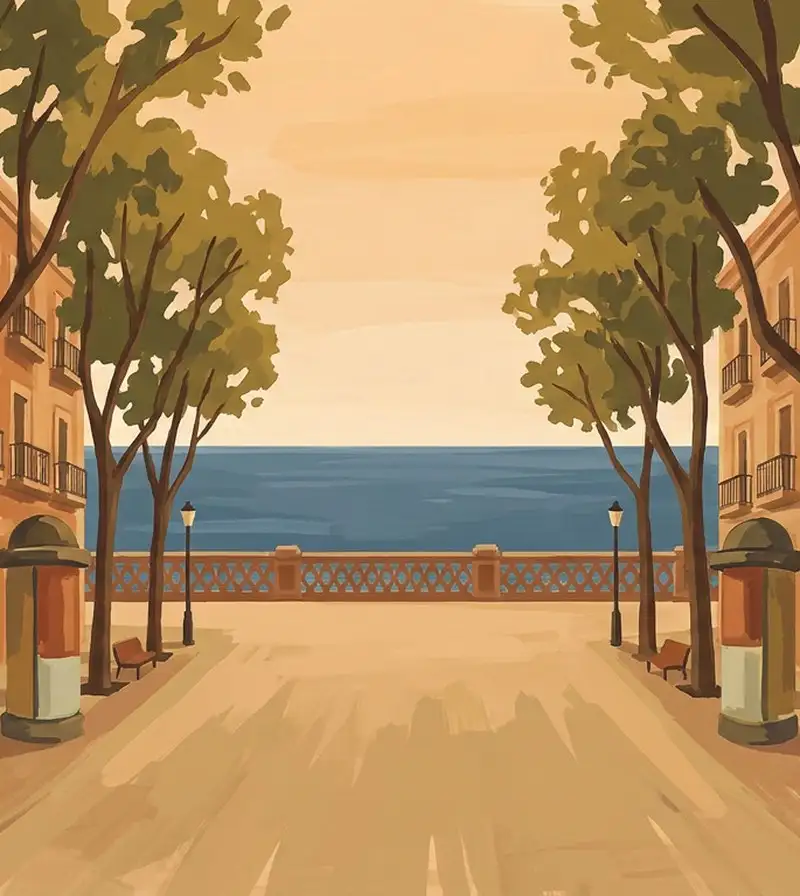
The planned grid inland from the Balcó, with Rambla Nova running through its central shopping streets.

A low-rise residential beach neighbourhood built around its own beach beside the protected Punta de la Móra.
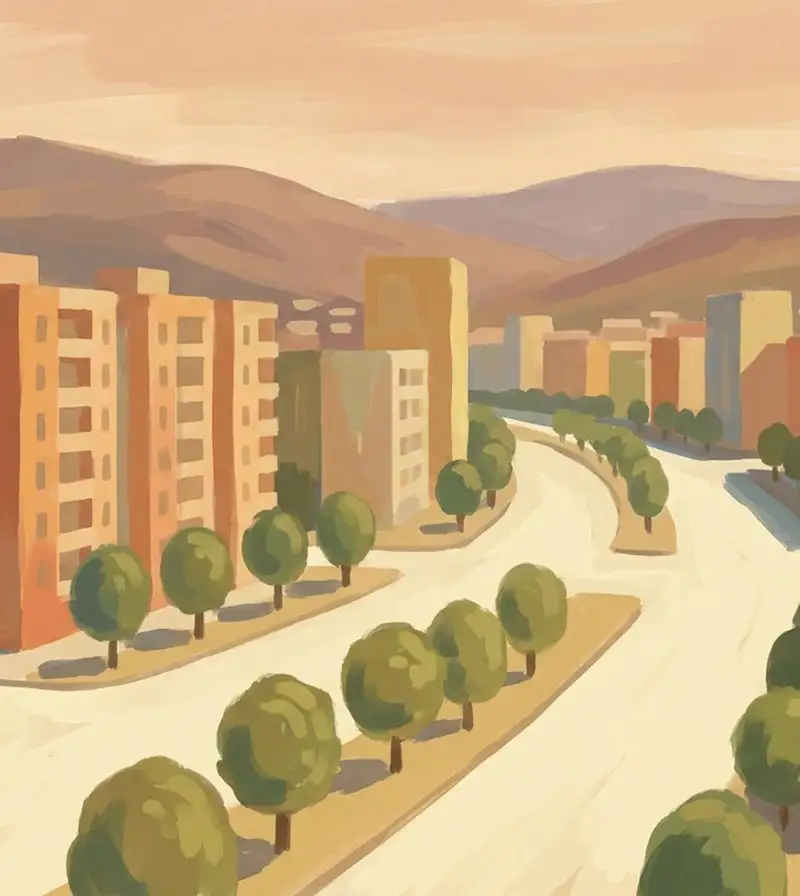
Residential blocks on the northern side of the city's expansion beyond the centre.
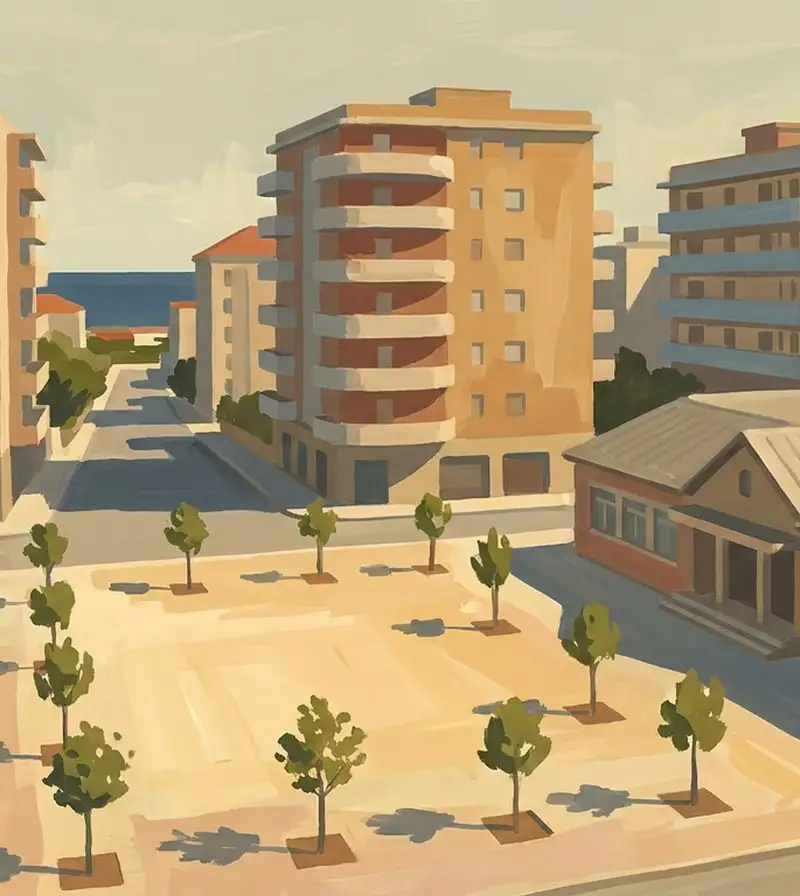
The southern extension of the city's grid, with apartment streets towards the Francolí and the lower town.
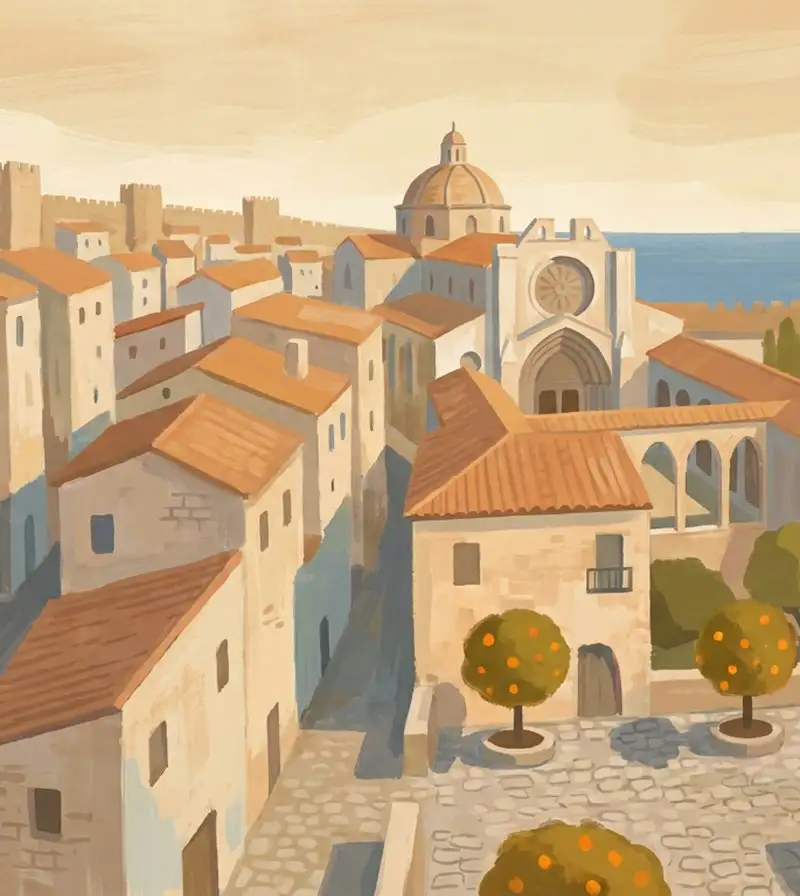
The old town inside the Roman walls, narrow streets around the cathedral, with restaurants and bars in historic squares.
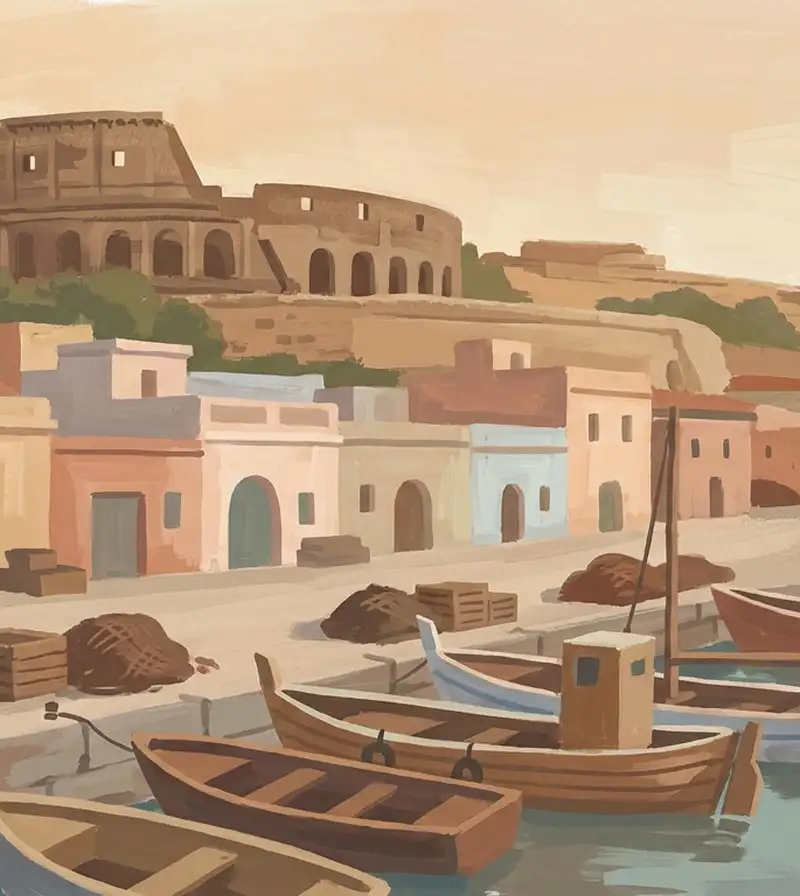
The port quarter below the old town, El Serrallo's fishermen's houses and seafood restaurants along the water.
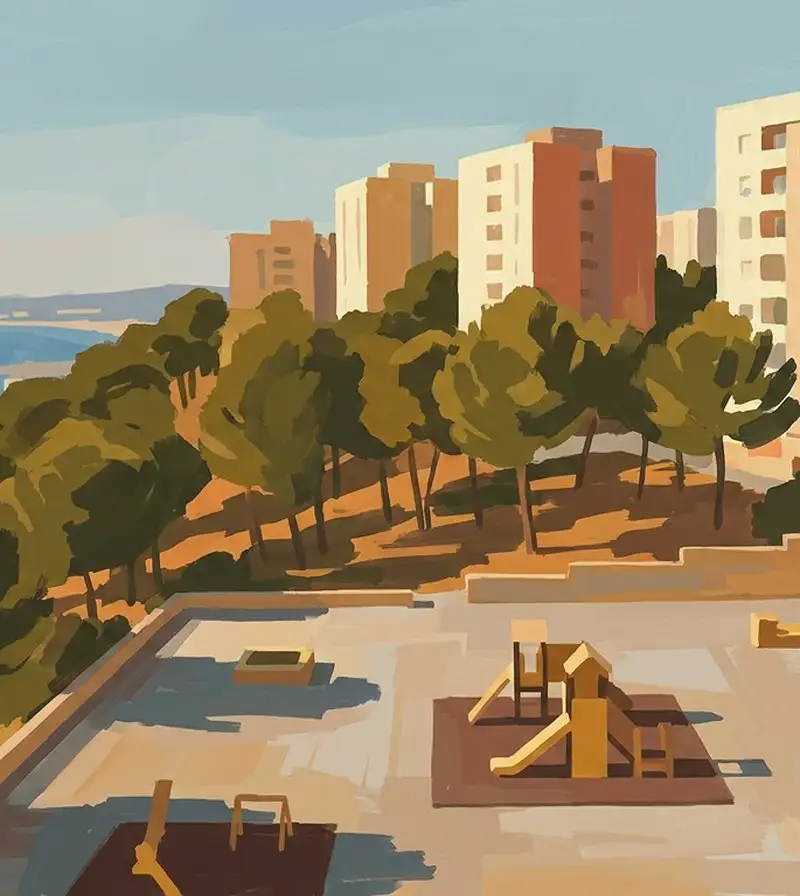
A hillside residential district north of the centre, apartment blocks on the slope above the city.
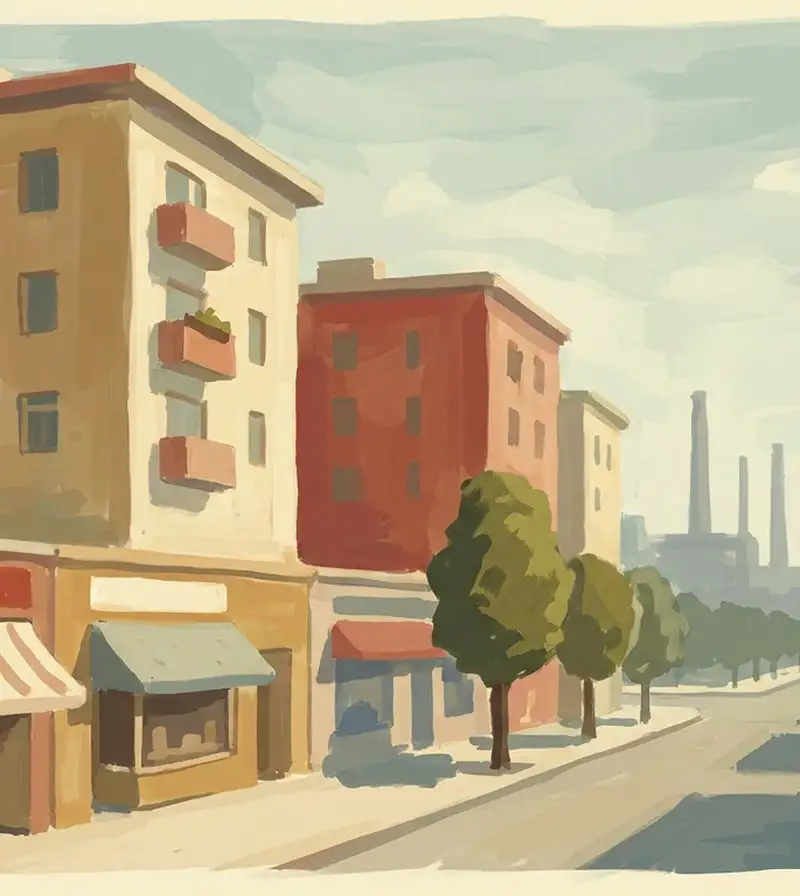
A western working district, post-war blocks and local shops, close to the industrial belt.
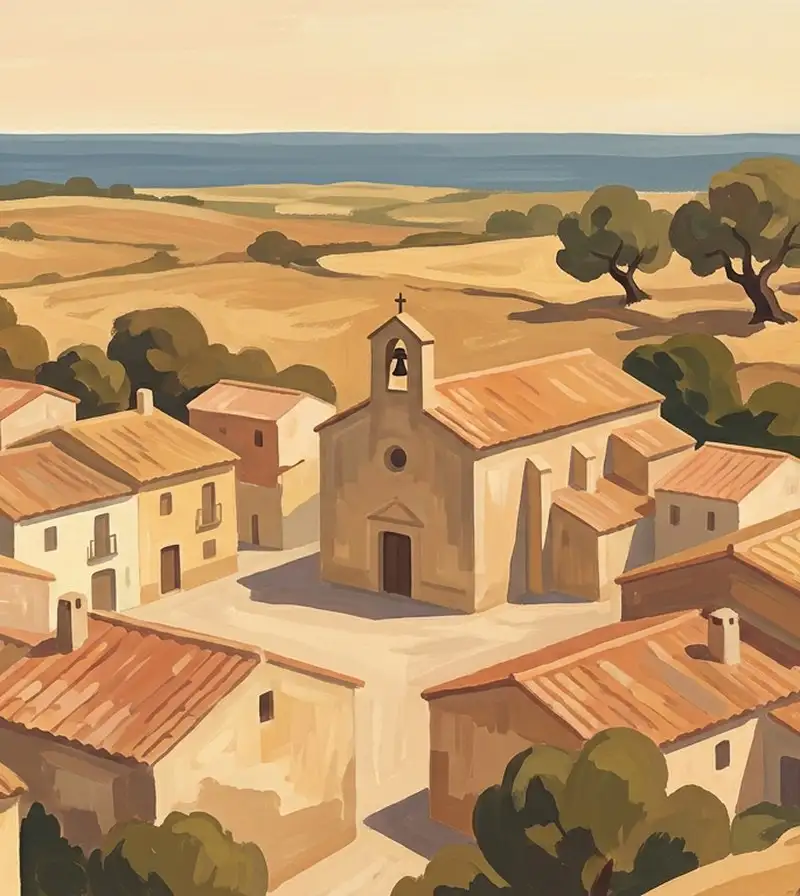
The northern edge of the municipality, a residential area set apart from the centre.
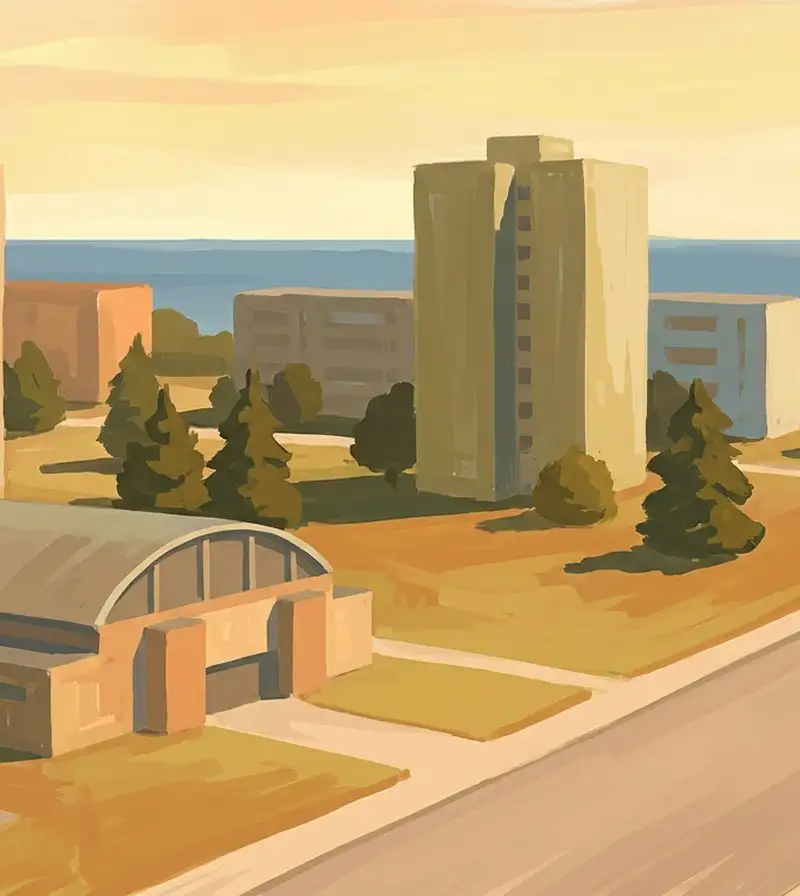
The far west of the city, apartment estates built for the industrial workforce.
Honest answers to the questions buyers actually ask.
Transfer tax rates as of August 2026. Rates are set per autonomous community and do change. Confirm the current figures with a Spanish lawyer or tax adviser before you budget.
The pros and the cons of every town, with sourced data on prices, climate and costs.
Your property search, saved cities, mortgage calculator and a step-by-step buying guide, from your first search to getting the keys.
Local agents who speak your language, and owners selling their own home, contact you about homes that fit your search.
Agents and owners ask to connect first. Your contact details are only shared with the people you accept.
Our comprehensive guide covers everything foreign buyers need to know - from NIE numbers and residency permits to mortgages and legal requirements.
Use our free mortgage calculator to estimate monthly payments, compare loan scenarios and understand the true cost of buying in Spain.